
← Back to Blog

Car Fires

Off the Record Off the Record
(Updated November 23, 2022)
Car Fires

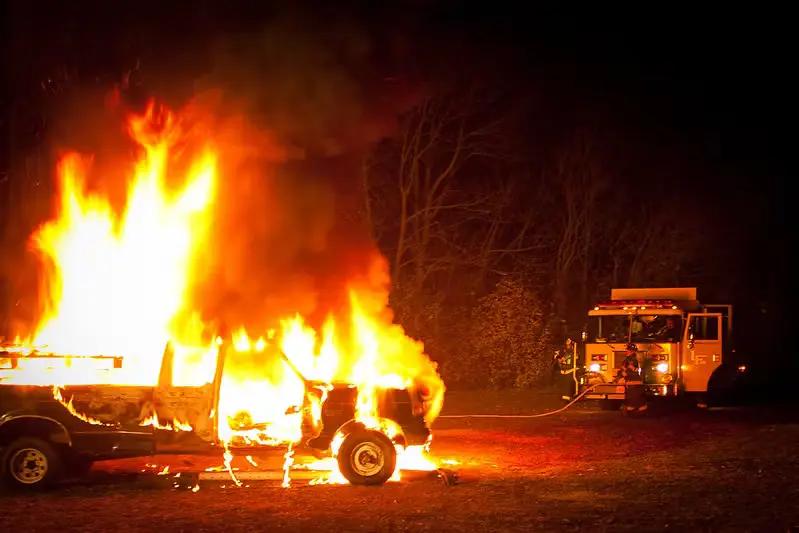
Car fires can be scary. Automobiles already have a number of inherent safety issues. There's no need to add flame to that mix. Understanding and avoiding car fires is a key aspect of responsible automobile ownership and operation.

What Causes Car Fires?

Many different things can cause a car fire. Some causes are mechanical. Some causes are chemical. Some result from human error. And some can be a combination of all three. It is impossible to determine the cause of car fires until after the fire is extinguished. Often even experts will only be able to identify a general idea of what may have started the car fire as opposed to knowing the actual cause. Still, no one wants their car to go up in flames so it’s important to identify – and avoid – car fires if at all possible.

In no particular order, here are the most common causes of car fires:

  • Design flaws. To be fair, not all design flaws result in a car fire. However, there are certain design flaws that could make a car more likely to catch on fire. A poorly designed fuel system is one of the most common design flaws to cause a fire hazard. A flaw in the electrical system can also cause a car fire. Design flaws are one of the most common reasons for recalls by car manufacturers. In fact, Nissan issued a recall of close to 400,000 vehicles because of a potential fire hazard in November 2019.
  • Poor vehicle maintenance. Poor vehicle maintenance falls under that “human error” category previously mentioned. It isn’t that poor vehicle maintenance will definitely cause a car fire. Poor vehicle maintenance can contribute to a higher risk of a car fire. For example, a leaky gasket could cause flammable liquid to reach areas of the engine it wasn’t supposed to reach. That could cause a car fire. Exposed wires that aren’t taken care of, especially if they are hot, can come into contact with plastic, carpet, or other parts of the car that aren’t designed to withstand the electricity running through the wire. Unlike a design flaw, regular inspection and maintenance by a professional mechanic can help decrease the risk of car fires.
  • Getting into a car accident. Most cars are designed well enough to protect the engine and other systems, such as the fuel system, from igniting in the event of a car accident. But even in a well-designed car, there’s the possibility that the accident caused the vehicle to leak something flammable, such as gas or even transmission or brake fluid. In the event of a car accident, get out of the vehicle and step away from it even if there does not appear to be a risk of the car catching on fire. Without x-ray vision, there’s no way to know for sure.
  • The car is leaking fuel. It’s not always obvious that a car has a fuel line problem. This sort of car issue usually doesn’t provide much warning. And gasoline, as most people know, is flammable. In the event of a gasoline smell around the car, take the car to a mechanic to have it checked out. Even at low outside temperatures, it doesn’t take much to ignite gasoline.
  • Problem with the electrical system. It can be hard to detect an automotive electrical problem. According to InterFire, any of the following can cause an automotive electrical problem: battery, circuit breakers, fuse boxes, the alternator, or overloaded wiring. What’s more, the signs of an electrical problem can depend on the electrical problem itself. Yet, just like in a house fire, all it takes is one bad wire or electrical component to cause a fire. If the electrical system is bugging out or there’s a recall notice from the manufacturer, take the vehicle to a mechanic.

Electric Car Battery Fires

Remember all of the reports about lithium-ion batteries exploding in cell phones and vapes? That was certainly scary considering that both are generally held right by the face in some way. Now that electric cars, including hybrid electric cars, are more common, electric car battery fires are on the rise.

FEMA estimates that there are approximately one million electric cars on the roads. According to their website, these vehicles can experience four types of fires: Class A involves tires, fabric, and plastic; Class B involves fuel; Class C involves lithium-ion batteries; Class D involves magnesium, titanium, aluminum, and lithium.

The National Highway Traffic Safety Administration completed a study on whether lithium-ion batteries pose a higher risk of catching fire. Specifically, they looked at whether the batteries can cause a fire while they’re being charged and when an electric vehicle is involved in an accident. The report concluded that the likelihood of fire as well as the severity of the fire of lithium-ion batteries is equal to or even a bit less than that of fires involving gas or diesel vehicles. This is because the batteries release a smaller amount of a flammable solvent during a “catastrophic failure situation.”

Still, there are many news stories involving an electric car battery fire. While the risk of fire is close to the same risk presented by gas and diesel vehicles, there are some key differences that cause specific dangers. FEMA states that electric vehicle fires can exceed 5,000 degrees. Using water or foam can cause the fire to become worse since the water molecules separate into hydrogen and oxygen. Electrical shock, toxic fumes, lithium burns, and the possibility of the fire reigniting are also serious risks. FEMA also provides a list of guidelines that first responders should use when handling an electric car battery fire.

Car Fires - Statistics

FEMA’s Highway Vehicle Fires (2014-2016) report, published in July 2018, presents some interesting car fire statistics. Although car fires are not especially common, they are, of course, still extremely dangerous. Here are some highlights from their report:

  • There were just over 171,000 car fires that occurred each year between 2014 and 2016.
  • There was an average of 345 deaths and 1,300 injuries.
  • There was an average of just over $1 billion in property loss.
  • Car fires accounted for 13% of all fire department responses. This amounts to about one in eight fires.
  • Less than 40% of car fires were caused by an unintentional action.
  • 83% of car fires involved a passenger vehicle.
  • 62% of car fires started in the engine, the running gear, or the wheel area.
  • 45% of car fires were caused by mechanical failure.
  • 29% of car fires were caused by insulation around electrical wiring.
  • 18% of car fires were caused by flammable liquids in the engine bay.
  • For fatal car fires, 60% occurred because of a car accident.
  • Slightly more car fires happen during the months of May through August.
  • No cause could be determined in 23% of the car fires.
  • 93% of car fires originate within the vehicle.
  • Only 1.6% of car fires started because of an issue with the fuel tank or the fuel line.
  • 13% of vehicle fires started because of a “hot or smoldering object.”
  • Less than 1% of car fires were fatal.

The lesson here is the importance of good automobile maintenance. Have a mechanic examine a vehicle if there’s only a suspicion of an electrical problem, an issue with the fuel system or brake system, or even an issue with the engine or radiator. In the event of a car fire, get off the road. Put the car in park and turn it off. Get out of the vehicle and get as far away from it as possible. Call 911 for help. Don’t ever try to go back and get anything else out of the car.

Ask the fire department for permission to take pictures after the fire is put out. Often insurance companies need them. Make sure to get the incident report number from the police. Finally, call the insurance company to report the fire.

This information on this site is provided solely for informational purposes. It is not legal advice. Off The Record is not a law firm, does not provide legal services, and is not a lawyer referral service. The attorney listings on the site are paid attorney advertisements. Off the Record has not evaluated this content for accuracy, completeness, or changes in law. No representation is made here about your specific rights. Off The Record is not a substitute for an attorney or a law firm. Legal advice can only be provided by a licensed lawyer.

Photo credit: Jason Bolonski License: CC BY 2.0

Disclaimer: This article is for informational purposes only and does not constitute legal advice. If you need legal help, please contact a qualified attorney.

Get back on the road knowing your driving record is in good hands