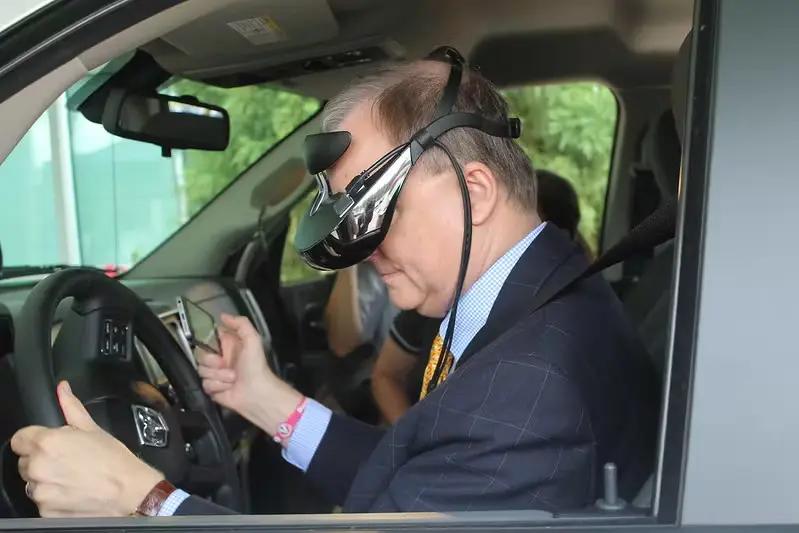
Distracted driving is defined as operating a motor vehicle while also engaged in another activity. Although the term “distracted driving” immediately evokes the use of smartphones while driving, it can involve any number of activities. Any activity that diverts the driver’s full attention from the road is considered to distract the driver.
While many believe that distracted driving is a phenomenon that primarily occurs with young, inexperienced drivers, that isn’t the truth. Distracted driving affects drivers of every age, regardless of driving experience. This article presents facts and statistics of distracted driving, the most common forms of distracted driving that result in accidents, the common types of distracted driving, some of the laws related to distracted driving, and how distracted driving can be prevented.
Distracted Driving Facts – What Can Get You Into Trouble
Five seconds doesn’t seem like a lot of time. Yet, a driver traveling only 45 miles per hour who takes their eyes off of the road for just five seconds travels a full 330 feet in that time. A driver traveling 65 miles per hour moves almost 500 feet in just five seconds.
Distracted driving is a public health and safety concern. Although there are federal distracted driving regulations for those who drive commercial vehicles. Non-commercial drivers (aka most people) are subject to distracted driving laws in the state in which they live or in which they travel.
The primary distracted driving activities are generally texting, using a cell phone, putting on makeup, eating while driving, changing the settings on a GPS or radio, and tending to passengers in the vehicle. Many states have outlawed specific distractions. The most commonly restricted activities include the use of cell phones and other electronic devices, taking part in grooming activities while driving, reading while driving, and eating or drinking. It isn’t just that activities or actions that constitute distracted driving can result in a hefty fine and cause insurance rates to increase. Distracted driving can result in an accident.
In jurisdictions that specifically prohibit drivers from using certain devices or from engaging in certain activities when behind the wheel, it’s important that you understand exactly what you may and may not do. For example, a ban on a “hand-held device” could refer to a cell phone of any kind, GPS device, iPod or other MP3 player, or any other small device that you can hold in your hand. It may also include holding the device, dialing or pressing more than one button, or even reaching for the device in such a way that you are no longer properly seated as the driver.
Distracted Driving Statistics In The US
According to the Centers for Disease Control and Prevention, distracted driving kills nine people every day in the United States. It is also the cause of over 1,000 car accidents involving an injury. Doing the math, that’s over 3,000 deaths per year. The National Highway Traffic Safety Administration, which is part of the United States Department of Transportation, stated that 3,166 deaths occurred in 2017 from distracted driving.
You’ll recall that a vehicle travels a substantial distance if a driver removes their eyes from the road for just five seconds. Although some drivers may believe that they can read or send a text message in that time, it only takes approximately three seconds for a car accident to happen. And, according to Progressive Insurance, looking away from the road for as little as two seconds doubles the likelihood that you’ll be involved in a car accident.
Around 21% of teen drivers who are in an accident were distracted by their phones at the time the accident occurred. Parents whose young children are with them in a vehicle are also more likely to get distracted compared to adults or parents driving without their children in the vehicle. In fact, a study conducted by the University of Michigan showed that approximately 90% of parents are distracted drivers when their children are in the vehicle.
Distracted Driving Accidents – Common Causes
Because distracted driving is a major health and safety concern, it’s important for you to know the common actions that cause accidents. That way, you will hopefully abstain from these activities and all other forms of distracted driving.
- General distraction or being lost in your own thoughts. Approximately 62% of distracted driving accidents occur because the driver is lost in their own thoughts. This statistic emphasizes how distracted driving isn’t just about taking your eyes off of the road. It’s also about the driver’s (your) attention is placed.
- Using or manipulating a cell phone. While most drivers consider cell phone use the main contributor to distracted driving accidents, cell phones only contribute to around 12% to 14% of distracted driving accidents. Common cell phone distractions include but are not limited to reading or sending text messages, emails, or social media updates; making or receiving a phone call; and using the phone’s GPS for navigation purposes.
- Rubbernecking. Approximately 7% of distracted driving accidents happen because the driver turns their attention to something going on outside of the vehicle. Rubbernecking causes drivers to take both their eyes and attention off of the road in front of them.
- Passengers. Around 5% of all distracted driving accidents occur because the driver gets distracted by a passenger in the vehicle. This includes someone in the front passenger seat as well as one or more passengers in the backseat.
- Eating or drinking while driving. Approximately 2% of all distracted driving accidents are caused by eating or drinking in the vehicle. This includes looking away for just a few seconds to make sure your cup is placed properly in the cup holder or unwrapping your burrito or burger.
Types of Distracted Driving
Distracted driving activities are broken down into three main types of distracted driving: cognitive, visual, and manual. Although each type of distracted driving has its own characteristics, they can also overlap. Distracted driving activities that fall into one or more of these categories are especially dangerous.
Cognitive distractions refer to any activity that causes the driver to not keep their attention on their driving. Examples of cognitive distractions include a driver who is daydreaming or thinking about something that happened earlier in the day or an upcoming event, or a driver with “highway hypnosis.” Remember that general cognitive distraction causes around 62% of all distracted driving accidents.
Visual distractions are anything that causes drivers to take their eyes off the road. Changing the radio station, looking at a text message, and turning to look over your shoulder at your children in the backseat are all possible visual distractions.
Manual distractions refer to actions that require the driver to take one or both hands off of the steering wheel. Eating and drinking while driving are prime examples. Reaching to get something from the floorboard, the middle console, or out of a purse are also examples of manual distractions.
An example that involves a mix of all three types of distraction is texting and driving. As a driver, it requires you to take at least one hand off the wheel, turn your attention away from the road, and takes your eyes away from the road.
Distracted Driving Laws
According to the FCC, there is no national ban on most drivers’ texting or using a cell phone while driving. However, federal regulations exist that restrict commercial vehicle drivers from using any sort of hand-held device while they are behind the wheel.
Each state has the power to make their own laws related to distracted driving. According to Governors’ Highway Safety Association (GHSA), a non-profit that represents both state and territorial highway safety offices, three states, the District of Columbia, Puerto Rico, the US Virgin Islands, and Guam prohibit drivers from using hand-held devices; 38 states and the District of Columbia prohibit the use of cell phones by inexperienced drivers; 21 states and the District of Columbia prohibit school bus drivers from using cell phones; and 47 states, the District of Columbia, Puerto Rico, the US Virgin Islands, and Guam prohibit texting while driving.
The GHSA has a list of distracted driving laws for each state as well as a comprehensive, easy to understand summary. It’s important for drivers to stay updated on distracted driving laws in your state to ensure that you understand your obligations as a driver to keep yourself and others safe!
How To Prevent Distracted Driving
There are some easy things that you can do to help protect yourself from distracted driving. You can start by turning off your cell phone and placing it out of your sight. Place it in your glovebox or in your center console. Hands-free devices should only be used in the event of an emergency. Studies have found that the presence of handsfree devices is just as distracting as their traditional counterparts.
If your children or pets are traveling with you, make sure that they are properly restrained before leaving. That’s easier said than done, but if something happens and your pet or your child needs immediate attention, pull over, place your vehicle in park, turn on your hazard lights, and then take care of the issue.
Get your GPS ready before you get on the road. This makes it easier and safer for you to have your directions read aloud to you without needing to take your eyes and attention off the road and your hands off the wheel to put in your destination.
Don’t eat or drink while you’re behind the wheel. Take time to pull off the road to enjoy your meal or your snack. In addition to keeping you safe, you’ll find that it’s much more enjoyable than struggling with the wrapper of your food while trying to keep your attention on the road.
If you’re distracted or sleepy, don’t get behind the wheel. Take some time to gather your thoughts or to rest before you get on the road. It’s not cell phones that lead to most distracted driving accidents – it’s being lost in your own thoughts. Before you get on the road, take some time to write down whatever it is that keeps popping into your thoughts. Once you’ve written it down, you can be assured that you won’t forget to address whatever it is later when it’s safe to do so. Never drive if you’re sleepy. It’s just too dangerous.
Just say no to multi-tasking. When you’re driving, that’s all you should be doing. This is just as much for your safety and well-being as it is for the other drivers around you. Practice mindfulness while you’re on the road. It might very well save you from getting a ticket, being involved in a serious wreck, and an increase in your insurance premiums!
Despite the dangers of distracted driving, we at Off The Record know that everyone slips up sometimes. It’s also true that the police can make a mistake about whether or not you engaged in distracted driving behavior. In either case, if you’ve received a distracted driving citation or any kind of moving violation, we may be able to help you fight it. Just download our app (for iOS) or visit our website, tap a few buttons, snap a picture of the ticket, and you’re on your way to being connected to a lawyer near you.
This information on this site is provided solely for informational purposes. It is not legal advice. Off The Record is not a law firm, does not provide legal services, and is not a lawyer referral service. The attorney listings on the site are paid attorney advertisements. Off the Record has not evaluated this content for accuracy, completeness, or changes in law. No representation is made here about your specific rights. Off The Record is not a substitute for an attorney or a law firm. Legal advice can only be provided by a licensed lawyer.

 Off the Record